
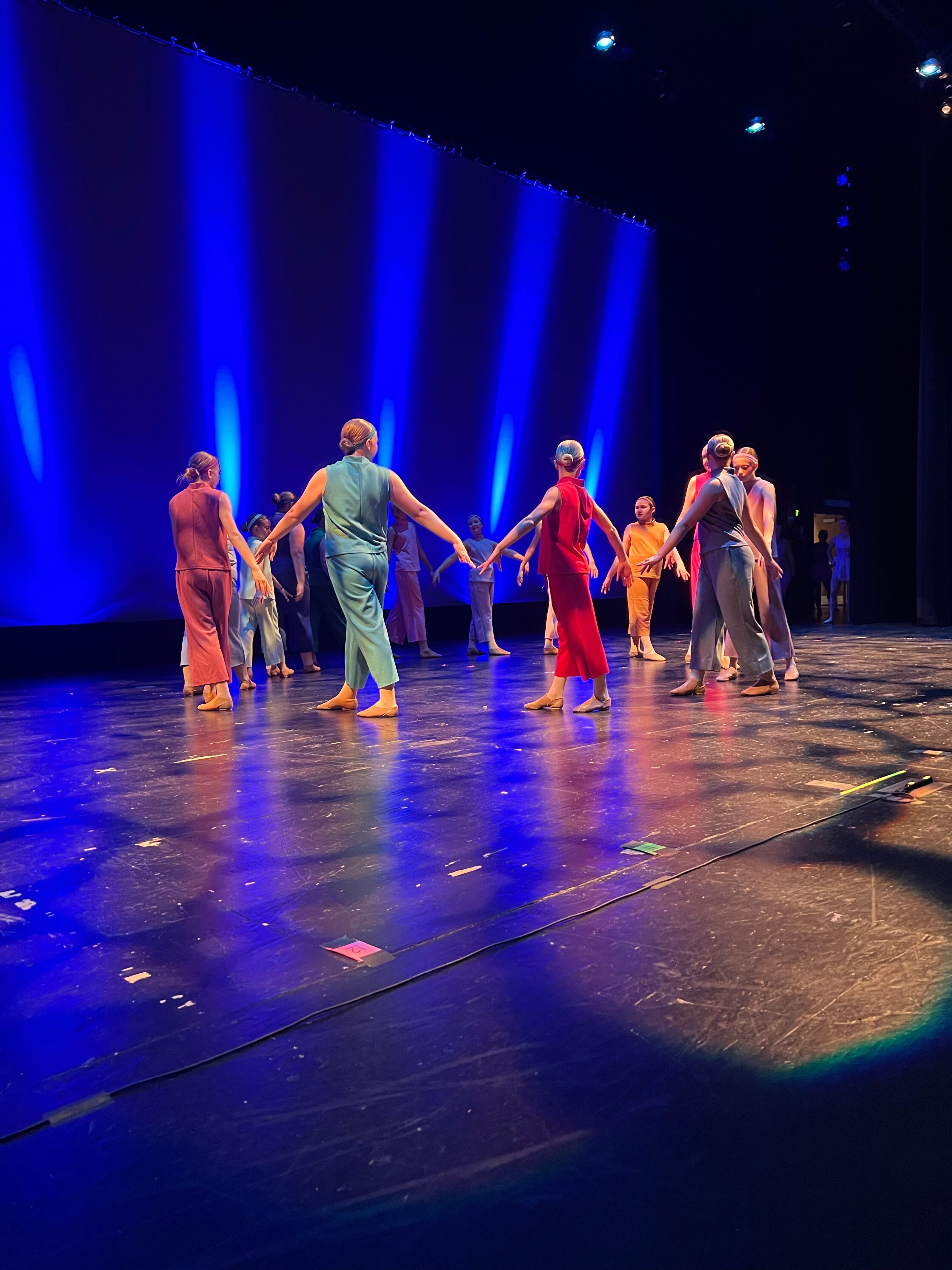
Choosing an age-appropriate dance costume is about finding the balance between artistry, comfort, and respect for the dancer’s age and maturity level. TTP Academy teachers consider many, many aspects when deciding on a costume. Here are the key factors that usually go into the decision made by the choreographer:
1. Age & Developmental Stage
- Younger dancers (preschool–elementary) → simple, modest, colorful costumes that prioritize comfort and ease of movement.
- Older dancers (teens and adults) → more complex styles may be appropriate, but still aligned with maturity level and not overly revealing.
2. Modesty & Coverage
- Costumes should fit securely and cover appropriately (no risk of accidental exposure).
- Avoid overly revealing cuts (deep plunges, high slits, or midriff exposure) for younger dancers.
3. Style of Dance
- Ballet → classic, elegant lines (tutus, leotards, lyrical skirts).
- Jazz/hip hop → fun, energetic, and stylish but still tasteful.
- Contemporary/lyrical → flowing fabrics that enhance movement without being suggestive.
4. Comfort & Functionality
- Dancers should be able to move freely and confidently without constantly adjusting.
- Fabric should be breathable, non-itchy, and safe (no loose pieces that could cause tripping).
5. Cultural & Community Standards
- Consider the audience and setting (recitals for families vs. competitions vs. themed performances).
- Be mindful of costumes that could be viewed as too mature or inappropriate in certain contexts.
6. Theme & Choreography
- Costumes should match the music, story, and mood of the piece without pushing boundaries for the dancer’s age.
7. Teacher/Parent Approval
- Collaboration between choreographers, teachers, dancers, and parents ensures the costume feels respectful and comfortable for all involved.
👉 A good rule of thumb: if a dancer (or parent) feels self-conscious in a way that distracts from the performance, the costume probably isn’t the right choice.